After Cost of Living
What a raise is worth once rent is subtracted.
A salary means nothing without the place it is spent in. Comparing two gross figures across two metros is the most common mistake in evaluating a job offer, and it is usually wrong by enough to reverse the decision.
The comparison that works
Two lines account for nearly all the variation between American metros: housing and state income tax. Groceries, utilities and services vary far less than people expect.
So the honest comparison is what is left after those two:
(gross − tax) − annual housing = the number to compare
An offer of $95,000 in a high-cost metro with no state income tax, against $80,000 somewhere with $1,400 rents and a 5% state tax, comes out only about $6,400 apart once housing and tax are subtracted — not the $15,000 the headline suggests. Shift the rent gap a little and the ranking reverses.
The 30% rule, and where it breaks
The convention is that housing should take no more than 30% of gross income. Reversed, it gives the salary a given rent requires:
annual rent ÷ 0.30 = salary needed
A $2,100 one-bedroom needs $84,000 on that rule. The same apartment shared needs $56,000 per person — a larger effect than any tax or salary difference between cities, and the lever most people underuse.
The rule predates current housing markets and assumes no unusual debt. Anyone carrying a student loan or a car payment is working from a smaller remainder, and lenders will measure them against a total debt ratio rather than a housing one anyway.
No income tax is not the same as cheap
Nine states levy no state income tax. At $85,000 that is worth roughly $3,500 to $4,500 a year against a state charging 5 to 6%.
Real money, and routinely overstated. Several of those states run high sales tax or high property tax instead, and a $700 monthly rent difference is $8,400 a year — roughly double the entire income tax saving.
What the rule does not cover
Saving. A budget that fits at exactly 30% housing with nothing left over has no capacity for a broken car, and in a high-cost metro that gap is where the stress actually lives — not in the rent itself.
12 articles
 How Much Do You Need to Make to Live Comfortably? $56K to $151K by State
Living comfortably means covering the basics with money left to save and spend. For one adult, that starts at about $56,000 to $64,000 a year in lower-cost states and $81,000 to $86,000 in California, New York and Massachusetts.
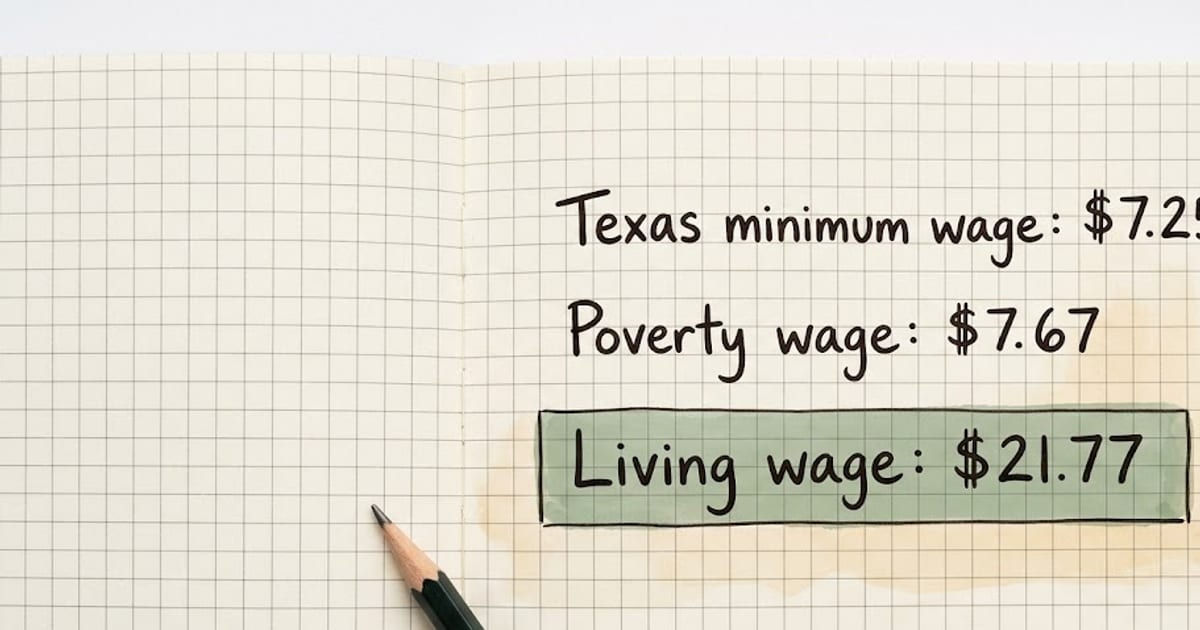 What Is a Livable Wage? $20.69 to $30.58 an Hour for One Adult, by State
A living wage covers food, housing, transport, health care and taxes for a full-time worker, with nothing left for savings or eating out. For a single adult it ranges from about $21 an hour in the cheapest states to about $31 in the most expensive.
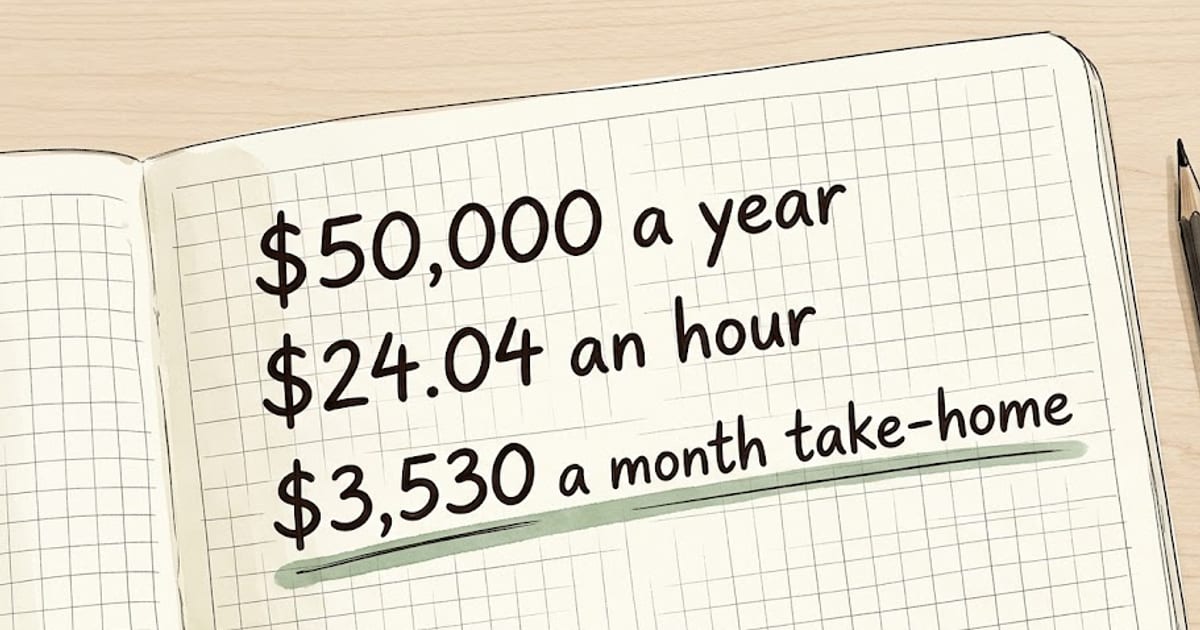 Is $50K a Good Salary? It Covers One Adult in 27 States and No Household With a Child
Fifty thousand dollars sits right at the middle of American wages. Whether it pays for a life depends on the state and on whether anyone else lives on it.
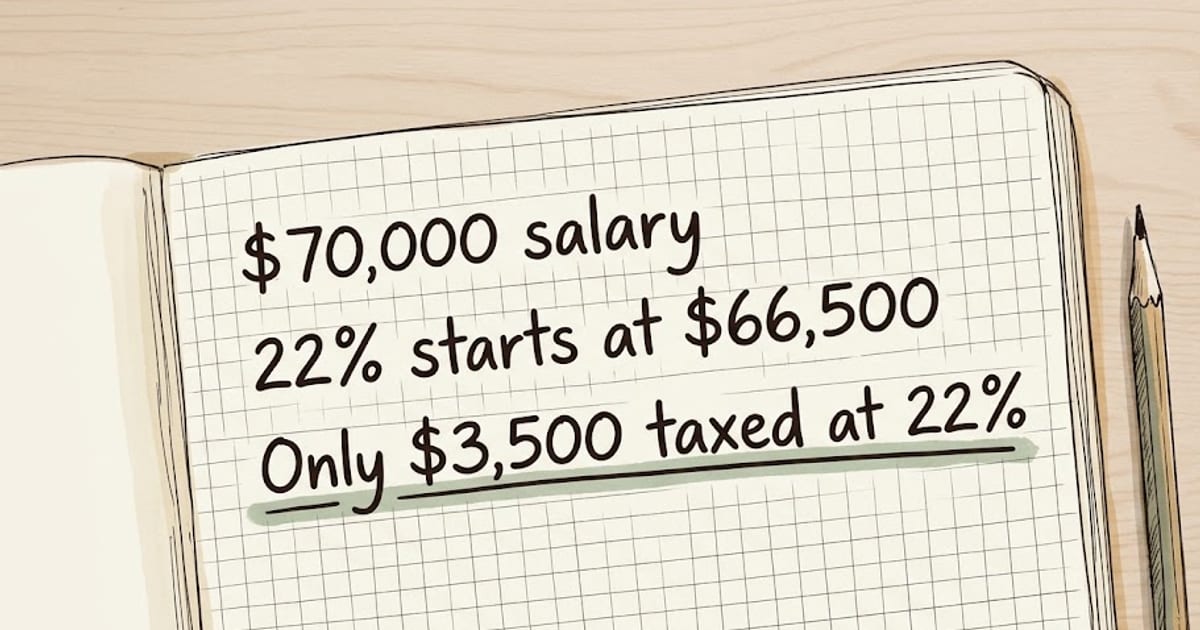 Is $70K a Good Salary? Above the Median Worker, Enough for One Adult in Every State
Seventy thousand dollars is the first salary where every state works for one person. It is also where the 22% federal bracket starts to take a bite out of raises.
 Is $80K a Good Salary? For a Family of Four on One Income, It Depends on the State
Eighty thousand dollars is comfortable for one person anywhere in the country. The real question it raises is whether it can carry a family on its own, and the answer splits the country in two.
 Is $100K a Good Salary? Top Quarter of Workers, Less Room Than It Sounds
A six-figure salary is in the top quarter of American full-time pay. Taxes, state, and above all childcare decide how much of that shows up as room in the budget.
 States With No Income Tax: Nine of Them, and the Saving Is Smaller Than It Looks
No income tax is worth two to five thousand dollars a year for most workers. A seven-hundred-dollar rent difference is worth more than that, and nobody advertises it.
 Salary Needed to Live in California: $75K Inland, $110K in the Bay Area
California is not one cost of living. Fresno and San Francisco differ by more than most pairs of states, and quoting a single figure for the state is the mistake.
 What Percentage of Income Should Go to Rent? 30% Is the Rule, and Where It Breaks
Thirty percent of gross income. It is a useful default and a poor rule, because it ignores debt, dependants and the fact that some costs do not scale with income.
 Cost of Living Comparison Between Cities: Two Lines Do Almost All the Work
Cost-of-living indexes average dozens of categories that barely vary and one that varies enormously. Subtract housing and tax, compare what is left, and ignore the index.
 Salary Needed to Live in Seattle: Roughly $85K Alone, $135K With a Family
Seattle has no state income tax, which is worth a few thousand a year. Housing costs considerably more than a few thousand a year above the national median.
 Is $60K a Good Salary? Enough for One Adult in 47 States, Short for a Family in All of Them
Sixty thousand dollars is close to the median pay of a full-time worker in their late twenties and early thirties. Here is what it covers, state by state and household by household.