Pay by job and city
Your hourly pay, as a salary and after tax
What each job pays per hour, per year, and in your metro.
- Year, month, biweekly and week from any hourly rate
- Take-home after federal, FICA and state tax, all 50 states
- Overtime and unpaid weeks counted, not assumed away
$22/hour at 40 hours a week
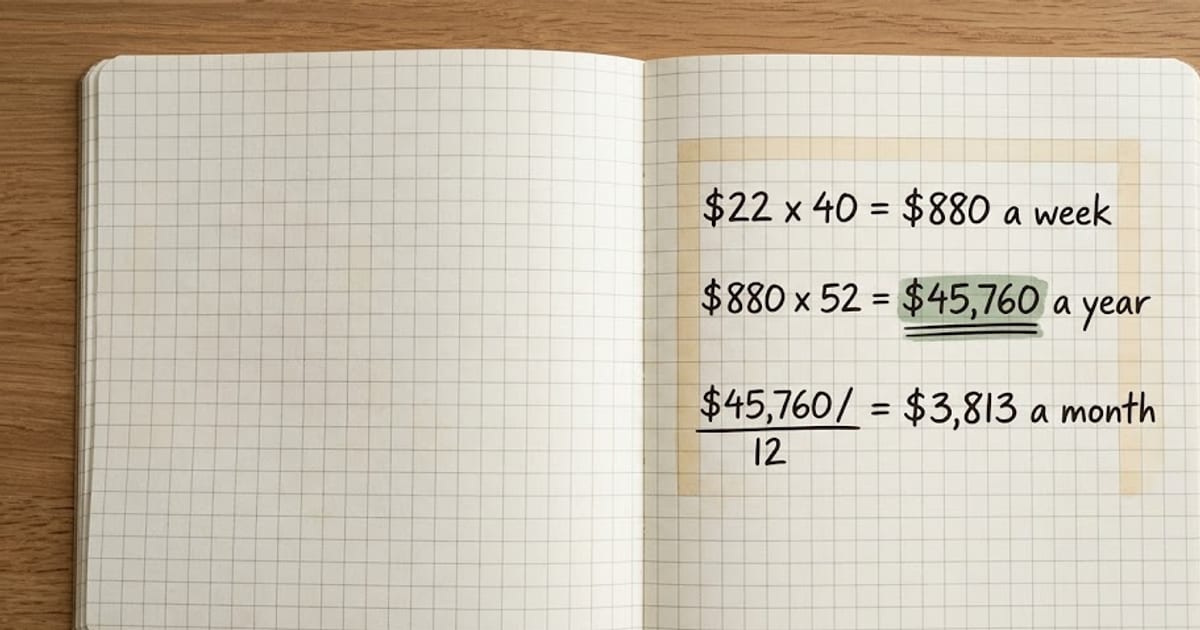
$45,760a year, before tax
$3,813 a month · $1,760 every two weeks · $880 a week
| A year22/hour × 40 hours × 52 weeks | $45,760 |
|---|---|
| A monthannual ÷ 12, not four weeks of pay | $3,813 |
| Every two weeks26 paychecks a year | $1,760 |
| A week | $880 |
| A day8 hours a day over five days | $176 |
| Hours worked a year40 × 52 | 2,080 |
| If unpaid time off48 paid weeks — $3,520 less than the headline figure | $42,240 |
Notes
- $22 an hour at 40 hours a week is $45,760 a year before tax. The arithmetic is 22 × 40 × 52 — and the 52 is where most of the disagreement between calculators comes from.
- The 52 assumes you are paid for every week of the year. Salaried work usually is; hourly work often is not. Take two weeks of vacation and ten public holidays with no paid leave and you are paid for 48 weeks, which makes the real figure $42,240 — $3,520 lower. Neither number is wrong; they answer different questions, and which one applies to you is written in your offer letter, not in a calculator.
- A month is not four weeks. Four weekly paychecks is $3,520, but a year has 52 weeks rather than 48, so the true monthly average is $3,813. Paid every two weeks you get 26 cheques, and twice a year that means three cheques in one calendar month — the two months that make a budget look wrong in both directions.
- Overtime starts past 40 hours in a week, not past 80 in a fortnight, and it is paid at one and a half times the rate for non-exempt workers. At 40 hours there is none, but a single busy week crossing 40 triggers it.
- Before tax is roughly 17% above what lands, depending on the state. Federal income tax, Social Security at 6.2% and Medicare at 1.45% come out of every cheque regardless of where you live; state income tax swings the rest, from nothing in nine states to over 9% at the top in California and Oregon.
Common hourly rates at 40 hours a week
Yearly, monthly and weekly pay for the rates people look up most.
- $15 an hourper year, 40 hrs
- $16 an hourper year, 40 hrs
- $17 an hourper year, 40 hrs
- $17.50 an hourper year, 40 hrs
- $18 an hourper year, 40 hrs
- $19 an hourper year, 40 hrs
- $20 an hourper year, 40 hrs
- $21 an hourper year, 40 hrs
- $22 an hourper year, 40 hrs
- $23 an hourper year, 40 hrs
- $25 an hourper year, 40 hrs
- $27 an hourper year, 40 hrs
- $28 an hourper year, 40 hrs
- $30 an hourper year, 40 hrs
- $32 an hourper year, 40 hrs
- $35 an hourper year, 40 hrs
- $40 an hourper year, 40 hrs
- $45 an hourper year, 40 hrs
$20 an hour after taxes, by state
What lands in your account once federal, FICA and state tax come out.
Sections
- Take-Home PayWhat a salary actually leaves you after federal tax, FICA and state tax — worked out for every state.15,662 pages →
- Pay by OccupationMedian, entry and top-decile pay for each job title.8 pages →
- Pay by MetroThe same job across metros, and what the gap is really made of.617 pages →
- Hourly ↔ AnnualThe conversion, and where overtime and unpaid weeks break it.2,109 pages →
- After Cost of LivingWhat a raise is worth once rent is subtracted.12 pages →
Latest
 Biweekly Pay After Taxes: What 26 Paychecks a Year Look Like at $40K to $100KBiweekly pay is your annual take-home divided by 26. A $60,000 salary leaves $1,938 a check in Texas and $1,825 in New York. Two months a year bring a third check, and some years bring a 27th.Take-Home Pay · 7 min read
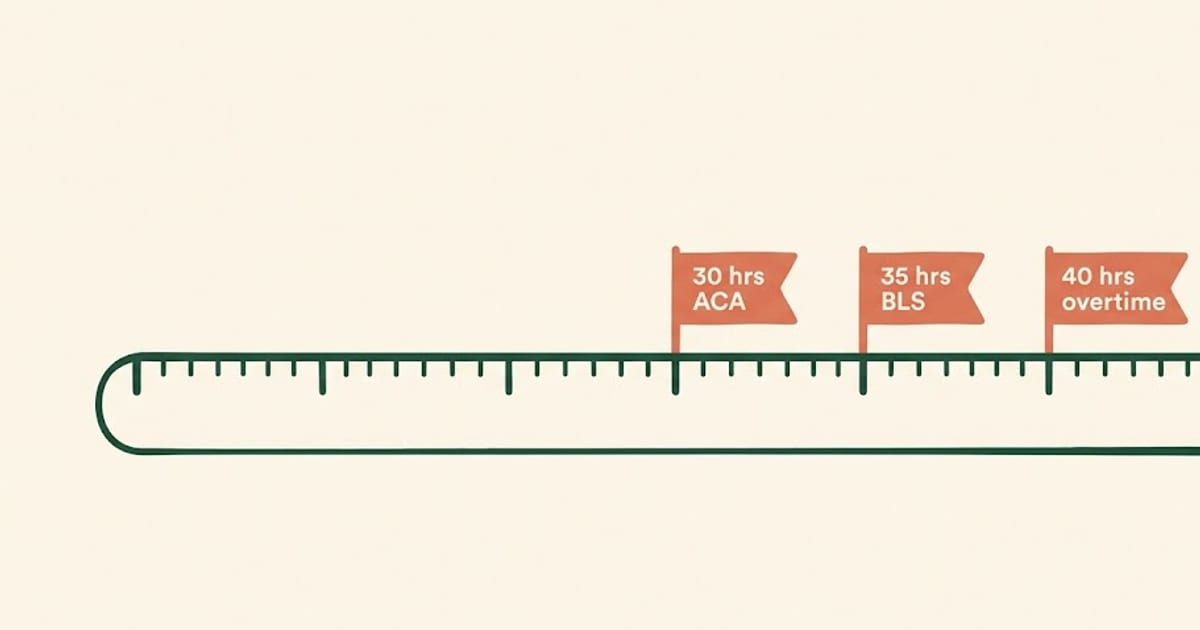 How Many Hours Is Full Time? 30, 35 or 40 Depending on Who Is CountingThere is no single legal definition of full-time work in the United States. Three numbers do most of the work: 30 hours for health coverage under the ACA, 35 for government statistics, and 40 for overtime.Hourly ↔ Annual · 6 min read
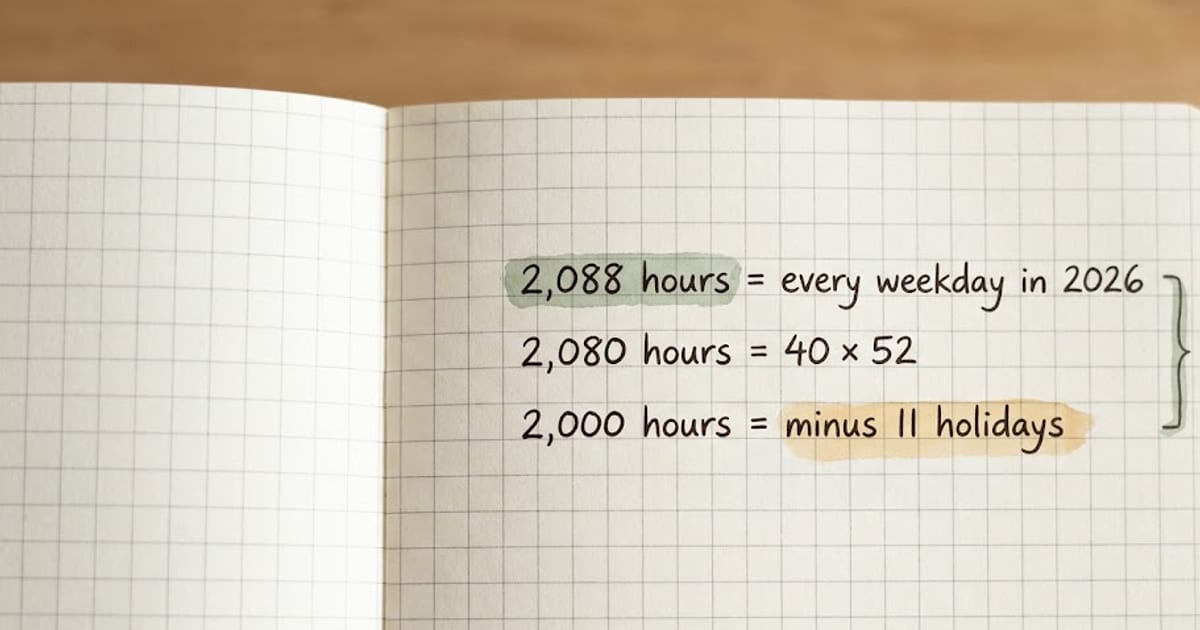 How Many Work Hours Are in a Year? 2,088 in 2026, 2,000 After HolidaysA full-time year is usually quoted as 2,080 hours. The calendar for 2026 actually holds 2,088, and the hours most people are at work come to about 2,000 once holidays are out.Hourly ↔ Annual · 7 min read
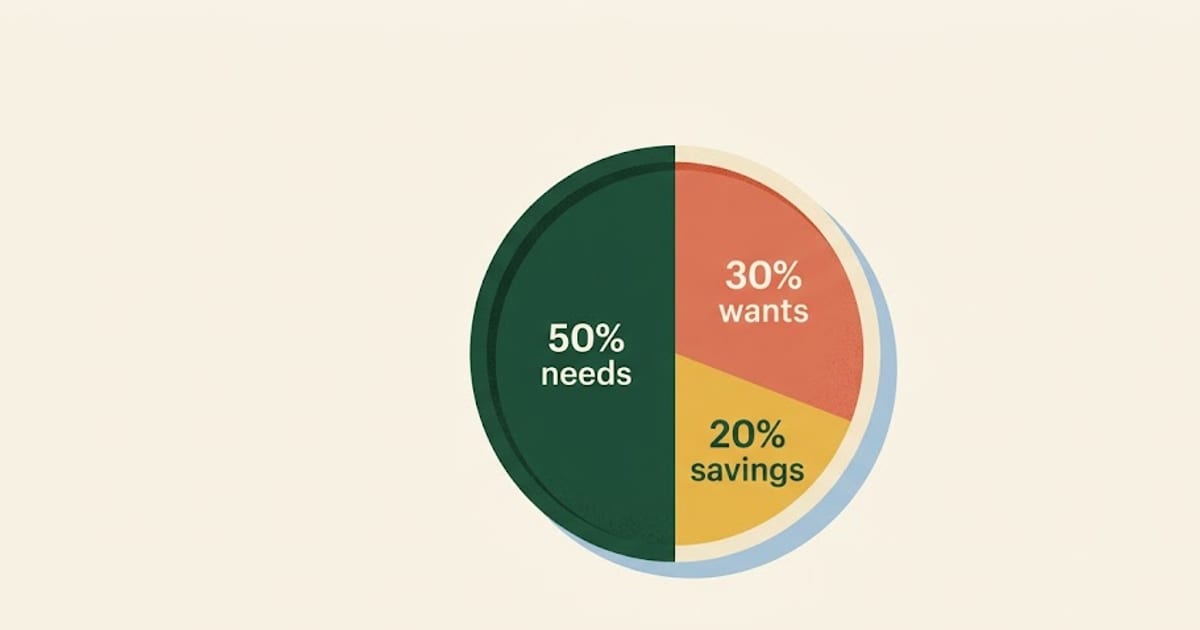 How Much Do You Need to Make to Live Comfortably? $56K to $151K by StateLiving comfortably means covering the basics with money left to save and spend. For one adult, that starts at about $56,000 to $64,000 a year in lower-cost states and $81,000 to $86,000 in California, New York and Massachusetts.After Cost of Living · 6 min read
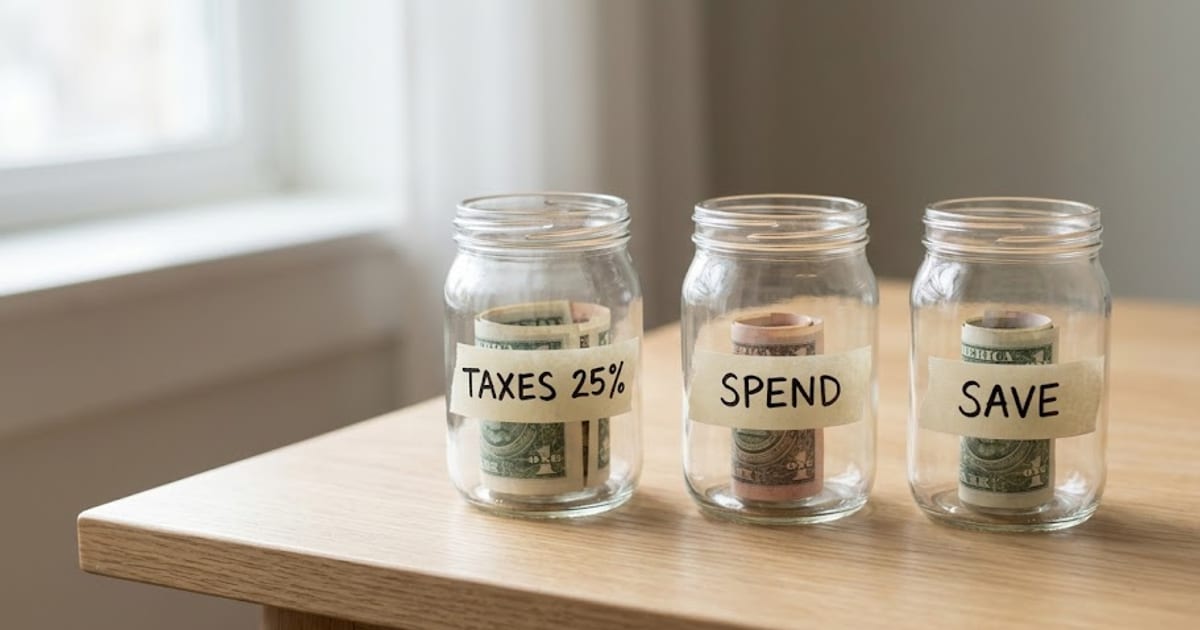 How Much to Save From Each Paycheck for Taxes: 15% to 25% of 1099 Income, Plus StateIf no one withholds tax from your pay, set aside about 20% of net self-employment income for federal tax at middle incomes, more at higher ones, and add your state's rate. Most of that 20% is self-employment tax, which applies from the first dollar.Take-Home Pay · 6 min read
 How to Calculate Annual Salary From an Hourly Rate (With the Shortcut and Its Error)Hourly rate times weekly hours times 52 gives the annual figure. At 40 hours a week that means multiplying by 2,080. The mental shortcut most people use is 4% low, and overtime and unpaid weeks move the real number further.Hourly ↔ Annual · 6 min read
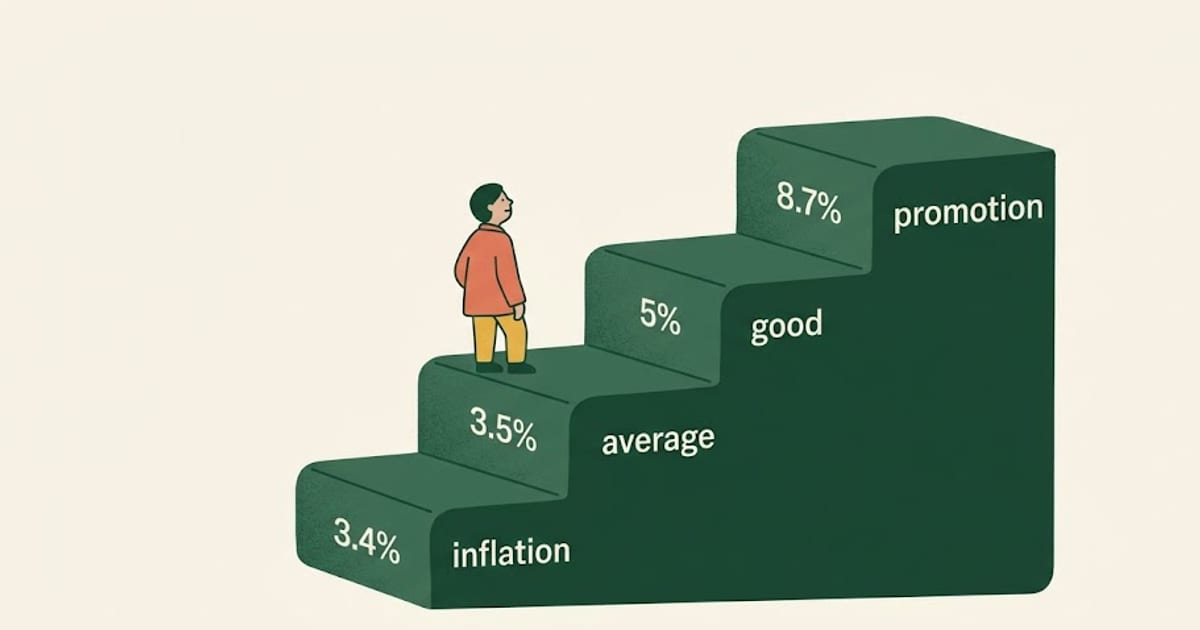 What Is a Good Raise Percentage in 2026? Average Is 3.5%, Inflation Is 3.4%The average U.S. raise in 2026 is about 3.5%, and consumer prices rose 3.4% over the year to August. A raise has to beat that just to keep your pay from shrinking. Anything from 5% up is above average, and promotions average 8.7%.Take-Home Pay · 7 min read
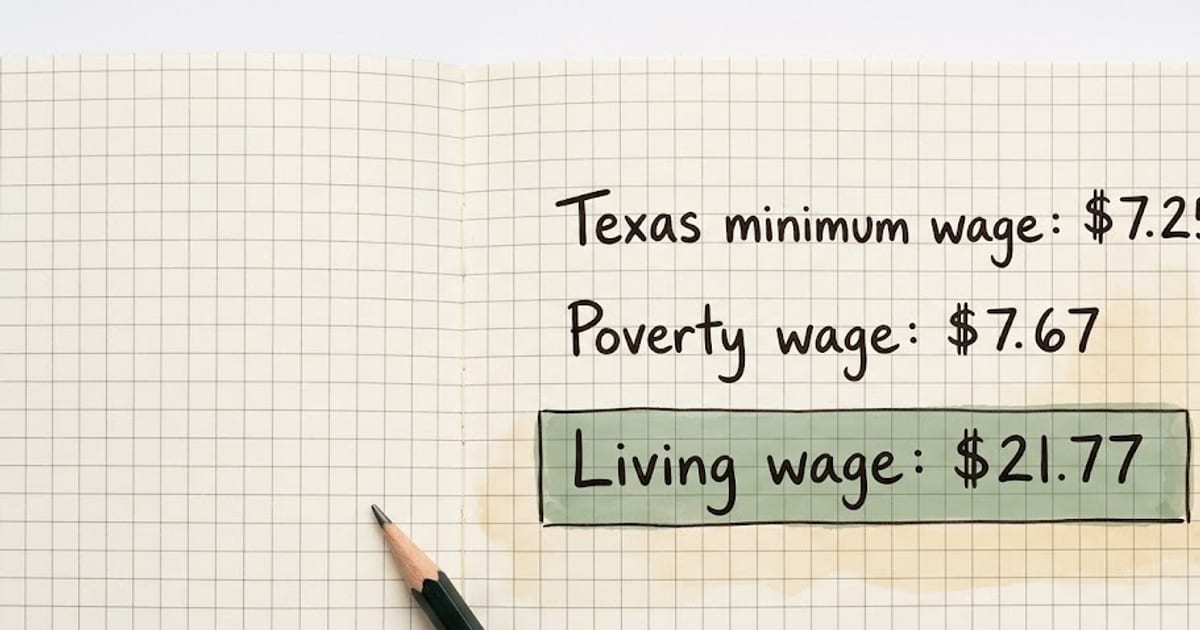 What Is a Livable Wage? $20.69 to $30.58 an Hour for One Adult, by StateA living wage covers food, housing, transport, health care and taxes for a full-time worker, with nothing left for savings or eating out. For a single adult it ranges from about $21 an hour in the cheapest states to about $31 in the most expensive.After Cost of Living · 7 min read
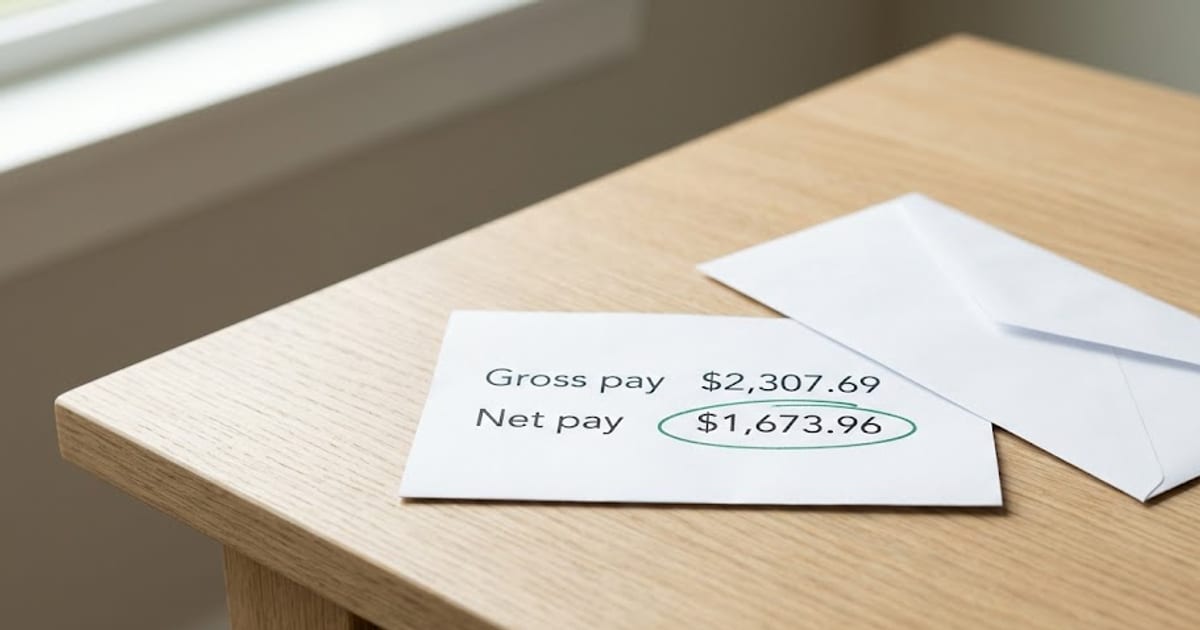 Why Is My Paycheck Less Than Expected? A $60,000 Pay Stub Line by LineThe gap between the salary on an offer letter and the deposit in your account is often 20% to 30%. Most of it is taxes you expected. The part that surprises people is pay frequency, pre-tax deductions and local taxes.Take-Home Pay · 7 min read