Pay by Occupation
Median, entry and top-decile pay for each job title.
Every wage figure on this site comes from one place: the Bureau of Labor Statistics Occupational Employment and Wage Statistics programme, which surveys employers annually and publishes a mean wage for each occupation code.
That makes the numbers checkable, which is the point. It also means they carry three specific limitations worth knowing before you read any of them.
What a BLS mean does and does not tell you
It is a mean, not a median. A small number of very high earners pulls it upward, particularly in occupations with large industrial or utility employers alongside small residential shops.
It excludes the self-employed. In the trades especially, many of the most experienced people run their own operation and are invisible to an employer survey. The published figure describes employees.
It blends every stage of a career. A first-year apprentice on 45% of journeyman scale and a master with twenty years are averaged together into one number that describes neither.
Why the trades spread so widely
Across the twelve construction occupations covered here, the national means run from about $53,500 to $72,200 — and the state spread inside a single trade is wider than the gap between trades.
Electricians average $71,490 nationally, $99,750 in Oregon and $53,470 in Arkansas. That is an 86% difference for the same licence, and it is driven far more by union density and prevailing-wage law than by cost of living.
What moves an individual number
Licence stage. Apprentice, journeyman, master. The step to a licence is the largest single jump in most trades and it is not a promotion — it is an exam.
Sector. Industrial and utility work pays above commercial, which pays above residential, in nearly every trade on this site.
Overtime. Already inside the annual figure, which is why the hourly conversion often reads above the base rate people are actually quoted.
Benefits. Not in the figure at all. Union packages commonly add 25 to 35% in pension, health and training funds, and comparing a union wage against a non-union wage without that attached compares two different things.
8 articles
 How Much Do Carpenters Make? — $65,630 Mean, and a $38,000 Spread
The national average is the least useful number in the trade. Where you work moves it further than how long you have worked.
 How Much Do Welders Make? — The Title Hides Four Different Jobs
Production welding in a shop and pipeline welding on the road are the same job title and completely different money.
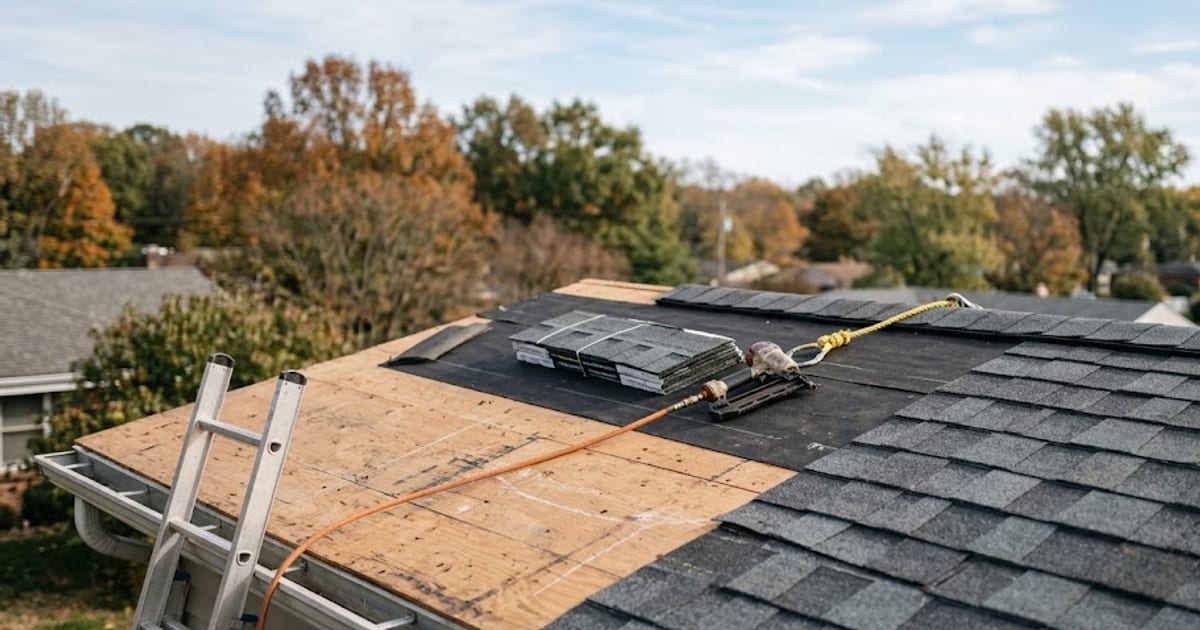 How Much Do Roofers Make? $58,140 a Year — and the Mean Hides More Here Than Anywhere
Roofing has the widest gap on this site between the published average and what an experienced roofer actually earns, and the reasons are structural rather than statistical.
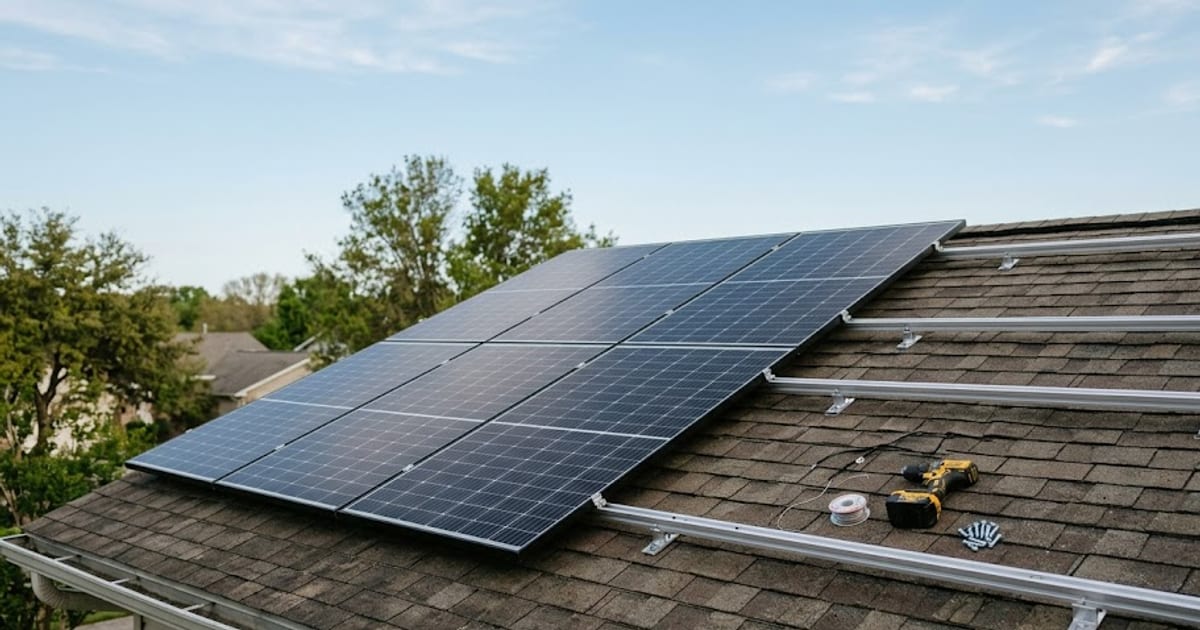 How Much Do Solar Installers Make? $57,900 a Year, and Only 32 States Report
The newest trade on this site, and the one where the data is thinnest — BLS suppresses the figure in nineteen states because the workforce is still too small to publish.
 How Much Does an Electrician Make an Hour? $34.37 on Average, $25.71 to $47.96 by State
The national average works out to $34.37 an hour. The same licence pays $47.96 in Oregon and $25.71 in Arkansas, and neither of those is an outlier.
 Highest-Paying Trade Jobs: Plumber and Electrician Lead at $72K and $71K
The national ranking is only half the story. Concrete finishing sits ninth nationally and pays $100,010 in Alaska — more than any electrician earns anywhere.
 How Much Do Plumbers Make? $72,170 a Year — the Highest of the Trades
Plumbing tops the trade wage table, and it is the licence rather than the work that puts it there.
 How Much Do HVAC Technicians Make? $64,780 a Year, $31.14 an Hour
HVAC sits fourth of twelve trades, and it is the one where the annual figure holds up best — because the busy season comes twice a year rather than once.