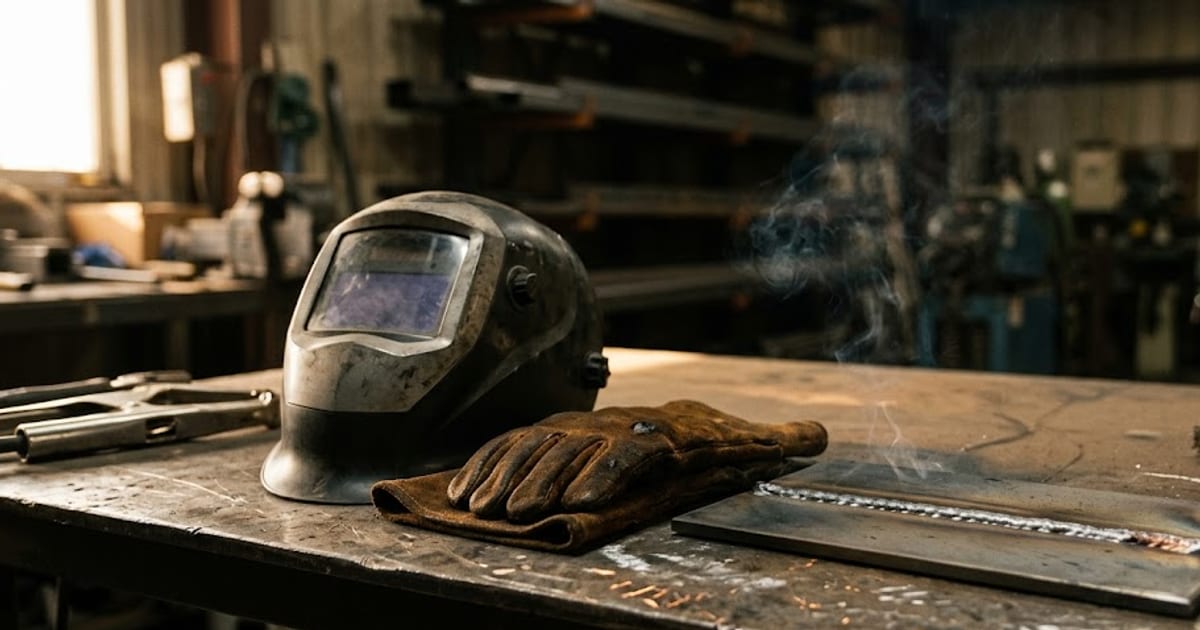
"Welder" covers a wider range of earnings than almost any other trade title. The occupation-wide average is a middling figure that describes very few actual welders, because the paths within it diverge so sharply.
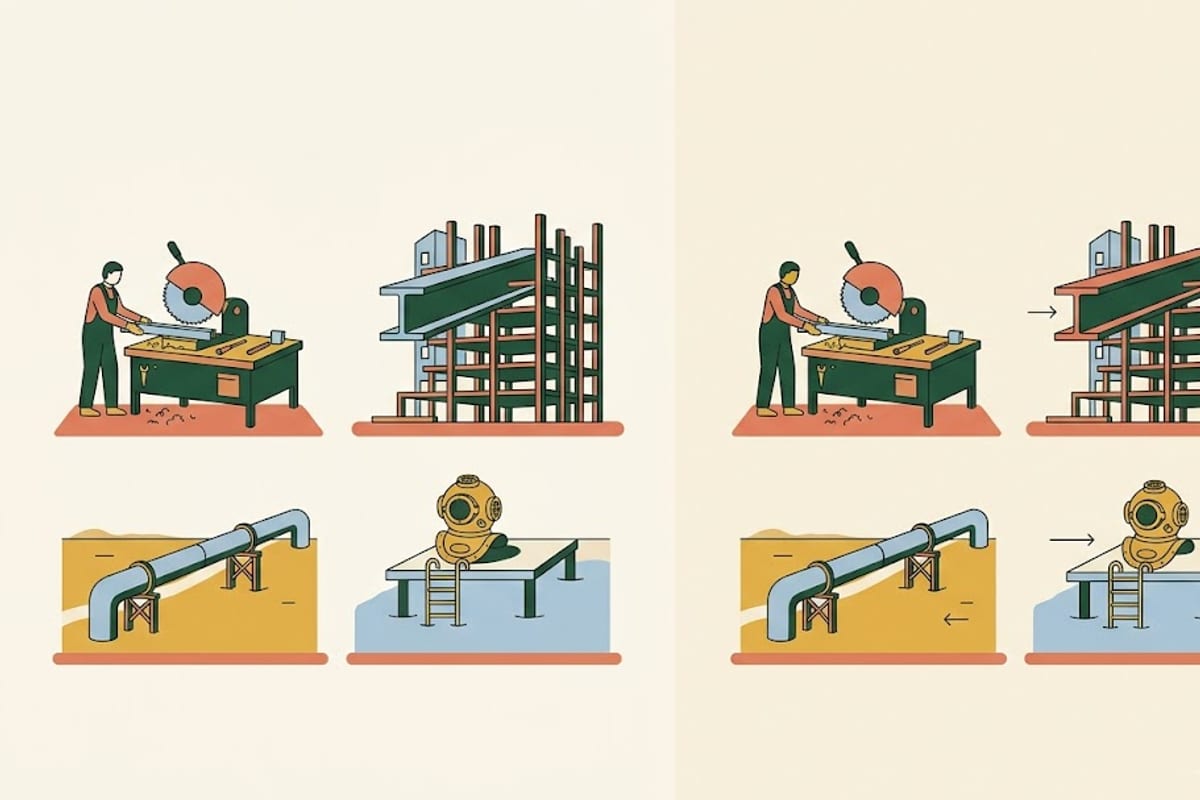
The four paths
Production and fabrication shop. Repetitive work, one or two processes, consistent hours, indoor. The most common entry point and the lowest paid. Predictable, and it is where most of the occupation's headcount sits.
Structural and construction. Field work on buildings, bridges and steel erection. Higher rates than shop work, weather-dependent, and frequently union in the states where union presence is strong — which is the same set of states that top every other construction wage table.
Pipe and pipeline. Certified pipe welding, particularly on high-pressure or code work, is the step change. Rig welders who own their truck and equipment bill at rates far above wage-employed welders, and the top of this band is several times the occupation average.
Underwater, aerospace and nuclear. Specialised, credential-gated, and paid accordingly. Small numbers of people, and the figures quoted for them distort every "welders can earn" article ever written.
What actually moves an individual's number
Certifications. This is the largest lever, and it is concrete: AWS or ASME certifications on specific processes, positions and materials. A 6G pipe certification is a different market from a flat-position MIG ticket, and it is testable rather than a matter of claimed experience.
Process range. Stick, MIG, TIG and flux-core are different skills. Welders comfortable in TIG on stainless and aluminium have access to work that a production MIG welder does not.
Willingness to travel. Shutdown, turnaround and pipeline work pays substantially more and requires being away. Much of the gap between the occupation average and the well-known high figures is simply this — the money is available to people who will live in a hotel for six weeks.
Industry. Petrochemical, power generation and shipbuilding pay above general manufacturing for the same nominal skill, because the code requirements and inspection standards are higher.
Overtime is a large share of it
Welding work in industrial settings runs on shutdowns and deadlines, and both mean long weeks. A large fraction of the difference between a welder's base rate and their annual earnings is overtime at time-and-a-half or double time.
This is why annual figures for the trade vary so much year to year with no change in skill. A year with two turnarounds and a year without look completely different.
Rig welders and the business question
A rig welder owns a truck, welder, generator and consumables, and bills a day rate plus a truck rate. The headline day rates are large and they are gross revenue, not wages: fuel, maintenance, insurance, consumables and the truck payment come out first, and the work is contract rather than salaried.
Comparing a rig welder's day rate to an employee's hourly rate is comparing a business to a job. The right comparison is net income after equipment costs, and the honest answer is that it can be very good and carries real financial risk.
Getting in
Entry is through a community college or trade school programme, an apprenticeship, or hiring on as a helper and testing up. The programme matters less than the certifications at the end of it — employers test welders before hiring, and the weld test is what decides the offer.
Someone starting in production work with a limited ticket should read the occupation average as a mid-career figure rather than a starting one, and should read the difference between the bands above as a map of where the certifications lead.